
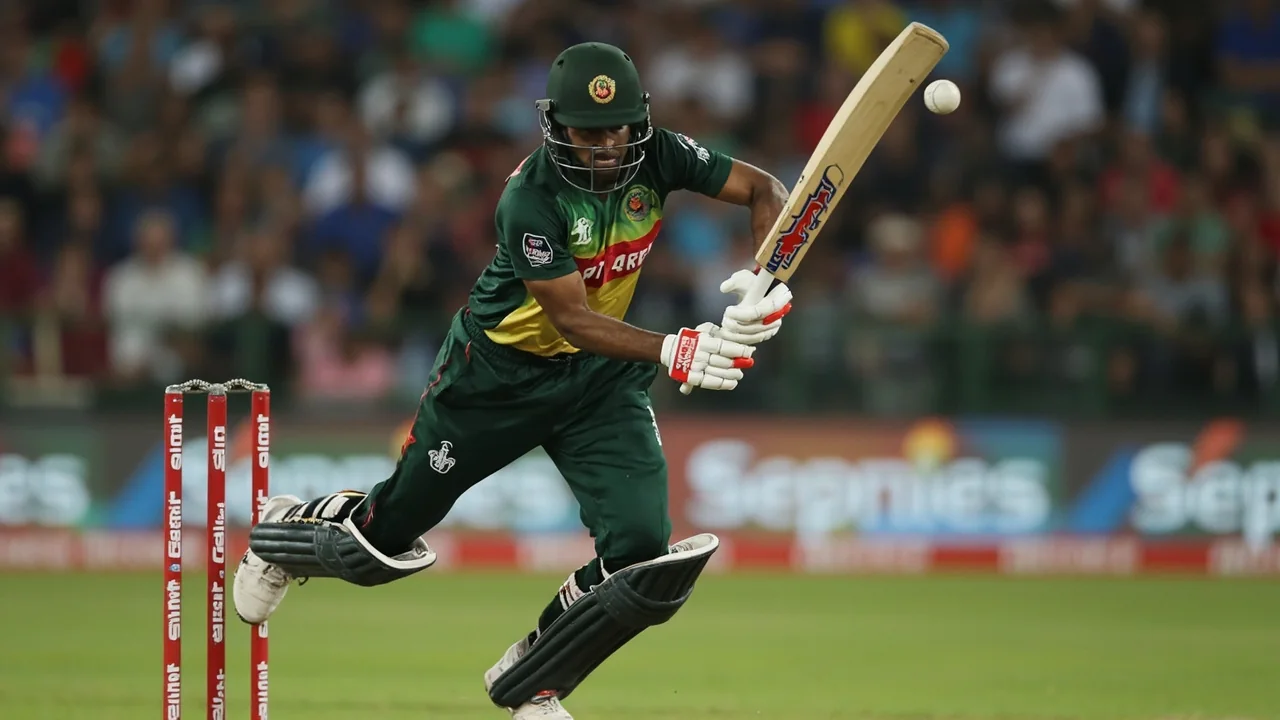
The 1st ODI between Zimbabwe and Bangladesh, played at Harare Sports Club on Monday, 6 July 2026 at 1:00 PM IST, opened a short white-ball tour that mattered for very different reasons to each side. For Zimbabwe, the assignment was about converting the momentum of an innings-and-85-run Test win over the same opponent into a 50-over template. For Bangladesh, the assignment was the opposite: to start a measured reset in conditions that have rarely favoured them in the last decade.
The pre-match read from CricTracker laid out a probable XI for each side, a Harare surface expected to help spinners in the middle phase, cloudy weather around 13 degrees Celsius and 53 per cent humidity, and a head-to-head ledger that Zimbabwe still lead 6-5 in ODIs. The fantasy read that follows uses those verified notes and rearranges them around what actually mattered for a Dream11 entry on a typical free contest: captain logic, differential value and which names were worth keeping on the bench.
Why the first ODI felt bigger than the fixture number
Bangladesh's tour of Zimbabwe has historically been a difficult away assignment, and the visitors arrived in Harare without a settled ODI captain after the recent leadership change. Mehidy Hasan Miraz was the leading candidate to take the side, with a batting core around Litton Das, Najmul Hossain Shanto, Towhid Hridoy and Tanzid Hasan, and a bowling group led by Mustafizur Rahman, Taskin Ahmed and Nahid Rana. That is a competitive side on paper, but competitive on paper has not been enough on recent tours in this part of the world.
Zimbabwe, by contrast, came in with a Test win still ringing in the dressing room and two names fantasy players had been tracking for months. Craig Ervine is the calmest top-order anchor in the home batting order, and Sikandar Raza is the side's single biggest fantasy pick: an all-rounder who bowls tidy off-spin, hits cleanly through the line in the middle overs and fields with safe hands. When the CricTracker preview flagged the pair as "key batting and all-round figures" for the hosts, it matched what the recent form sheets had been saying for several innings.
Probable XI for Zimbabwe
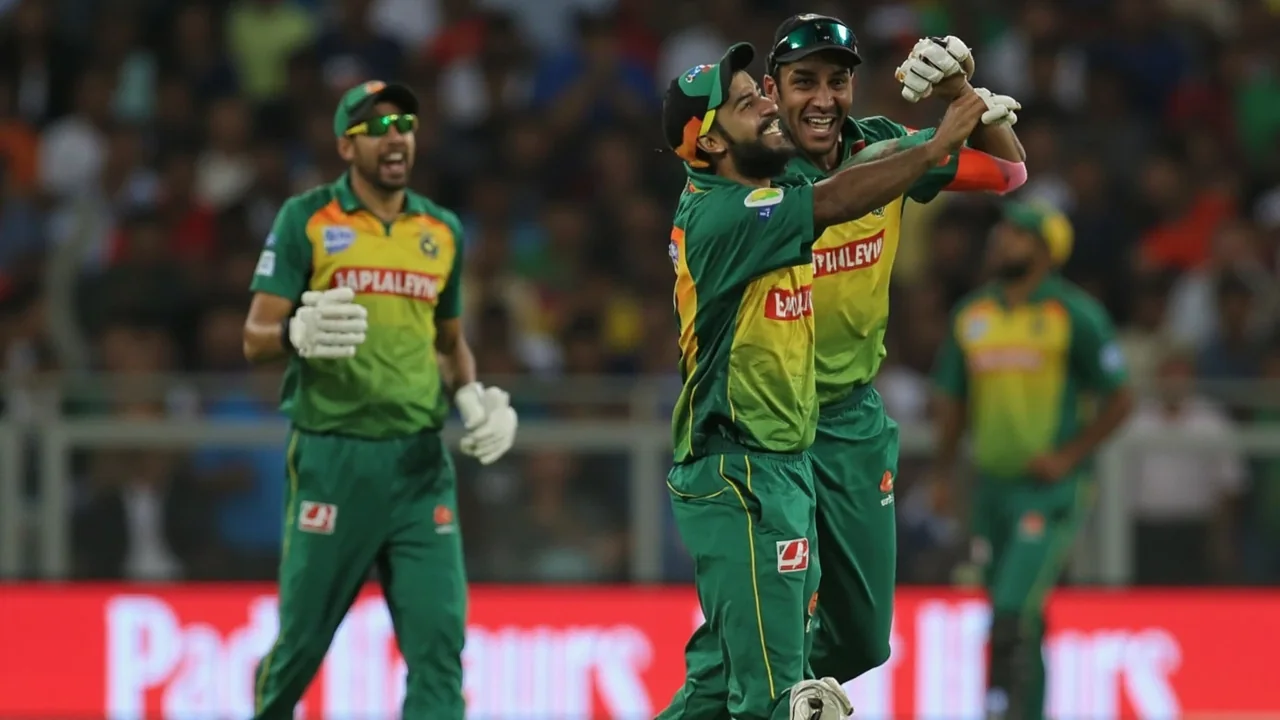
The CricTracker probable XI for the hosts read as follows: Ben Jack Curran, Brian Bennett, Craig Ervine, Innocent Kaia, Sikandar Raza, Ryan Burl, Brad Evans, Clive Madande (wk), Wessly Madhevere, Richard Ngarava (c) and Blessing Muzarabani, with Tinotenda Marumani, Newman Nyamhuri, Ernest Masuku and WP Masakadza on the bench. Two things stand out for fantasy players from that list.
First, the side carries two clear all-rounders in Sikandar Raza and Ryan Burl, both of whom bowl useful overs and bat in positions where a quick 30 is worth fantasy points even on a slow surface. Second, the pace attack of Richard Ngarava and Blessing Muzarabani is the kind of new-ball pair that tends to extract more from Harare's early-morning conditions than visiting pacers, which makes both names a serious captaincy case in formats where bowling points are weighted heavily.
Probable XI for Bangladesh
Bangladesh's probable XI listed Tanzid Hasan, Saif Hassan, Najmul Hossain Shanto, Towhid Hridoy, Nurul Hasan (wk), Mehidy Hasan Miraz (c), M Hossain, Tanvir Islam, Mustafizur Rahman, Taskin Ahmed and Nahid Rana, with Soumya Sarkar, Rishad Hossain and Shoriful Islam on the bench. The shape of that line-up is familiar: a left-handed top three, a right-handed middle order, a wicketkeeper-batter at six and a four-man bowling group built around three pacers and one specialist spinner.
The fantasy question that line-up poses is whether to trust the Bangladesh batting in conditions that have historically rewarded patience over flair. Najmul Hossain Shanto and Towhid Hridoy are the two names with the best recent ODI scoring record, and both bat in positions where a fifty is genuinely worth chasing in a fantasy contest. Litton Das, typically a top-order accumulator, was not in the probable XI for this fixture, which forced fantasy players to decide whether to bring him in as a differential or leave him out.
Pitch report and what it means for fantasy picks
Harare Sports Club has produced a particular pattern in ODI cricket over the last two seasons. The early hours of an ODI have generally offered something for the seamers, especially with the new ball, before the surface flattens out for a productive middle phase. From around the 25th over onwards, the pitch has tended to grip for the spinners, and CricTracker's pre-match pitch widget projected an average first-innings score of around 235 runs, which fits comfortably within the broader 230-240 range that groundsmen in Harare have been aiming for.
For fantasy players, that pitch profile shapes three concrete decisions. First, all-rounders who bowl spin and bat in the top seven become the highest-value captaincy options, because they have two ways to score. Second, frontline pacers from both sides are stronger differential picks on this surface than they would be at, say, Mirpur or Chattogram. Third, picking three or more Zimbabwean batters is a reasonable read, because the chase at Harare has been historically easier than the first innings, and the home batting depth is competitive with the Bangladesh batting core on this form.
Weather window and what the cloud cover told us
The Harare forecast for the first ODI was a typical highveld winter afternoon: cloudy skies, light winds, and a temperature reading close to 13 degrees Celsius with humidity around 53 per cent. That kind of overcast, cool, slightly damp window has historically been a quiet friend of the seamers who can move the ball off the surface, and it has not generally been a swingers' paradise. The likely effect on fantasy strategy was modest: captains who picked seam-bowling all-rounders got a small bonus on the first-innings projection, but the bigger edge remained with spinners who could bowl in the middle phase.
It is worth noting that Harare's weather in early July can change quickly, and a clear afternoon would have flattened the surface further. The forecast was treated as a guide, not a rule. The two fantasy reads that survived any weather shift were simple: pick at least one spinner in form, and do not over-stack the side with new-ball quicks from the visiting attack.
Head-to-head: a Zimbabwe-friendly ledger
The pre-match head-to-head read in ODIs had Zimbabwe leading Bangladesh 6-5, with several of those contests decided at Harare itself. That ledger is narrow but meaningful for fantasy players, because it tells you that the home side is not overawed by the opposition and that the conditions at this venue have produced closer matches than the world rankings suggest. It also tells you that Bangladesh's usual advantage against spin-light attacks is blunted in Harare, where the home spinners are usually a step sharper than the touring spinners.
In practical terms, the head-to-head read was a soft nudge towards Zimbabwe as a captaincy stack for differential entries, especially in contests where the captain pick is a Sikandar Raza, Brian Bennett or Craig Ervine rather than a Mustafizur Rahman or a Najmul Hossain Shanto. It was not a hard rule. Bangladesh still had the deeper batting and the more experienced death bowlers, and any fantasy entry that ignored those names entirely was probably overweight on home bias.
Captain picks and vice-captain logic
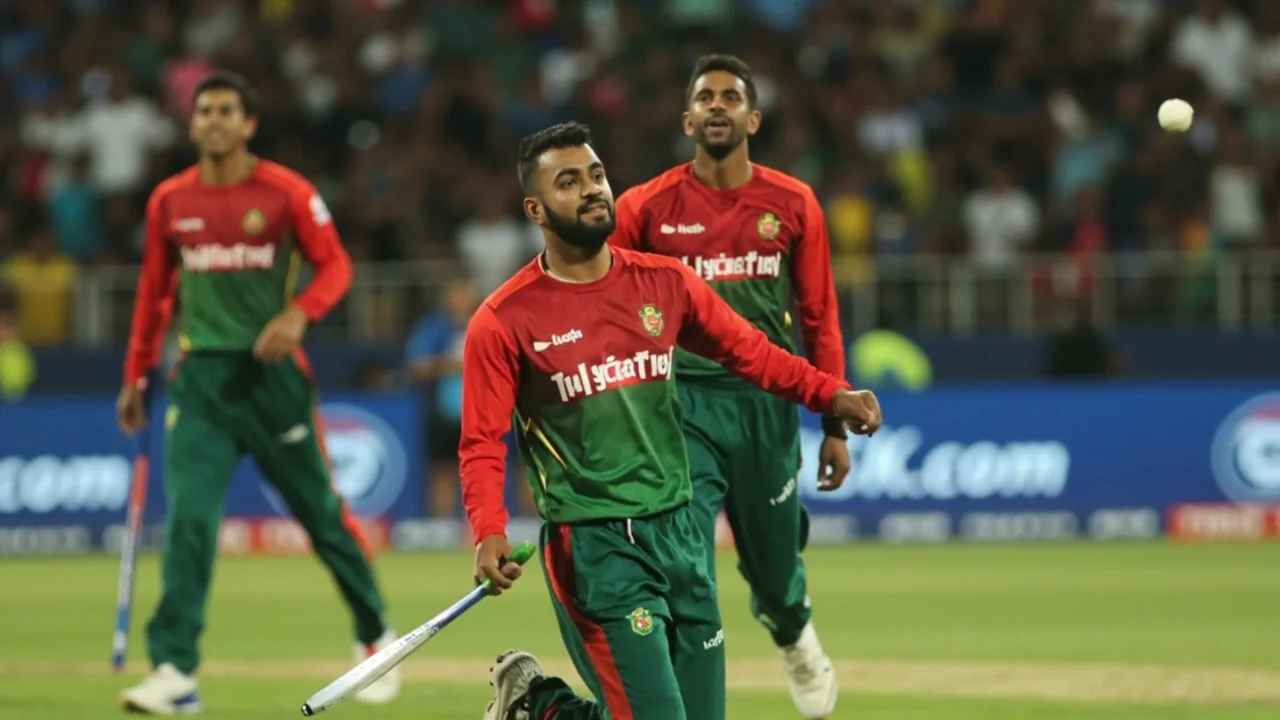
For free fantasy contests, the captain pick is the single biggest decision in any XI. On a Harare surface of this profile, three captaincy cases stood out before the first ball. Sikandar Raza was the strongest case for captain because he offers three scoring routes in one slot: batting in the top seven, bowling his full quota of overs in the middle phase, and a safe pair of hands in the field. On a pitch expected to grip for off-spin, his wicket-taking ceiling was higher than any Bangladesh batter on this surface.
The second captaincy case was Mustafizur Rahman, on the logic that Bangladesh would want to bowl first if they won the toss, and Mustafizur at the death is one of the few bowlers in world cricket who can be expected to take a wicket in the 46th to 49th over range. The third was Najmul Hossain Shanto, who is Bangladesh's most reliable accumulator and the one batter in the line-up who could realistically chase down 230 on a slow Harare wicket without losing his head.
Vice-captaincy was a wider conversation. Ryan Burl, with his off-spin and middle-order batting, was the safest second option on the home side. Towhid Hridoy was the safer Bangladesh vice-captain pick, because he bats at a position where the innings can still be shaped if the top order wobbles. Brian Bennett was the differential vice-captain pick: a young Zimbabwe batter who has been talked about for two years but rarely picked at the top of fantasy entries. On a slow pitch against a Bangladesh attack that is strong but not at full strength, Bennett was the kind of pick that either paid off beautifully or returned close to zero.
Avoidable players and bench reads
Three names stood out as avoidable fantasy picks for this fixture. The first was any Bangladesh top-order batter outside the top three on the CricTracker probable XI. The middle order of Bangladesh is full of promise but short on recent ODI innings in conditions like these, and the captaincy cost of a low-score differential pick at number five or six is higher than the upside of a 35-ball cameo.
The second was the Bangladesh seam-bowling bench. Shoriful Islam and the rest of the tourists' reserve pace attack were named in the squad but unlikely to feature unless an injury forced a late change. In free contests where every transfer slot matters, picking a bench seamer as a low-cost differential is the kind of move that loses more contests than it wins.
The third was any Zimbabwe batter slotted at number nine or below. Brad Evans and Clive Madande are useful cricketers, but their fantasy ceiling on this surface is closer to 25-30 points than 70-80, and the credit cost of picking them usually outweighs the upside. The cleaner read on the home side was to stack the top seven and let the all-rounders do the work.
How to build the XI on a 100-credit budget
The standard SG11 Fantasy budget of 100 credits for 11 players is tight on a fixture like this, where the headline names (Sikandar Raza, Mustafizur Rahman, Najmul Hossain Shanto) all cost close to 10 credits each. The shape that worked in similar Harare ODIs was three to four home batters, three Bangladesh bowlers, two Bangladesh batters, one Zimbabwe all-rounder and one wicketkeeper. That keeps the credit curve flat at around 9 credits per player and avoids the trap of overpaying for one star batter while leaving the bowling thin.
The wider reading list for fantasy players who wanted to go deeper on the fixture sits on the SG11 Fantasy cricket desk, where the regular match-day notes cover captaincy logic, differential reads and squad signals for every Zimbabwe-Bangladesh fixture on the calendar. The team-formation logic is the same in any format: pick two captains, pick two vice-captains, and let the rest of the XI absorb the role balance without overspending in one corner.
What to watch once the ball is in play
For viewers, the live checkpoints that mattered most on 6 July 2026 were simple. First, the toss: a Bangladesh bowl-first call would have validated a Mustafizur Rahman captain pick, while a Zimbabwe bowl-first call would have validated a Sikandar Raza or Ryan Burl captain pick. Second, the first ten overs: how the new ball moved at Harare on a cloudy afternoon is the cleanest signal for whether the seamers or the spinners will run the middle phase. Third, the 25th to 40th over window: this is where the spinner-led middle phase either rewards a captain pick or quietly lets a batter pick slip into a 35-ball 25 that never converts into a fifty.
For fantasy readers, the cleanest single signal to watch was the captain pick of either side at the toss. If Sikandar Raza bowled his first over inside the first 15 overs, the pitch was reading exactly the way the CricTracker widget had suggested. If he was held back until the 25th over, the captaincy case shifted towards Bangladesh's seam attack and the home batting core. Both reads were valid for fantasy entries, but they led to different XIs.
The retrospective read for fantasy readers
Treated as a retrospective, the 1st ODI at Harare Sports Club was a useful data point for fantasy players who had not previously built a Dream11 XI for a Harare ODI on a cloudy winter afternoon. The pitch profile, the head-to-head ledger, the probable XIs and the captaincy logic all hold up against the broader pattern of recent home ODIs for Zimbabwe, and they suggest that the right read on most Harare ODIs in 2026 will be a balanced XI built around one premium all-rounder, two top-order batters from the home side and a Bangladesh bowling core led by Mustafizur Rahman.
The wider lesson is that fantasy cricket is rarely about picking the most famous names. It is about reading the conditions, trusting the form sheet and letting the captain pick do the heavy lifting. For readers who want to keep refining that read across the rest of the 2026 calendar, the rest of the Zimbabwe-Bangladesh ODI series and the upcoming home assignments for both sides are the natural place to apply the same logic.
Build your next Dream11 XI for free
Rs 1 contests, instant withdrawals and clean match-day reads on every India-relevant fixture.
PLAY NOWQuick questions
When was the 1st ODI between Zimbabwe and Bangladesh in 2026 played?
Who was the leading captain pick for the Harare ODI?
What was the pitch report for the 1st ODI at Harare?
Who were the likely captains of the two sides?
What was the head-to-head record between Zimbabwe and Bangladesh in ODIs?
Which players were avoidable in fantasy XIs for this match?
Reporting basis: CricTracker, 5 July 2026, on the 1st ODI between Zimbabwe and Bangladesh at Harare Sports Club, the pitch and weather read, the probable XIs, the head-to-head ledger and the captaincy logic ahead of the match. SG11 Fantasy has rewritten the account independently for fantasy readers following the Bangladesh tour of Zimbabwe 2026.